
Sydney Retaining Wall Guide: Materials, Drainage, Costs & Approvals
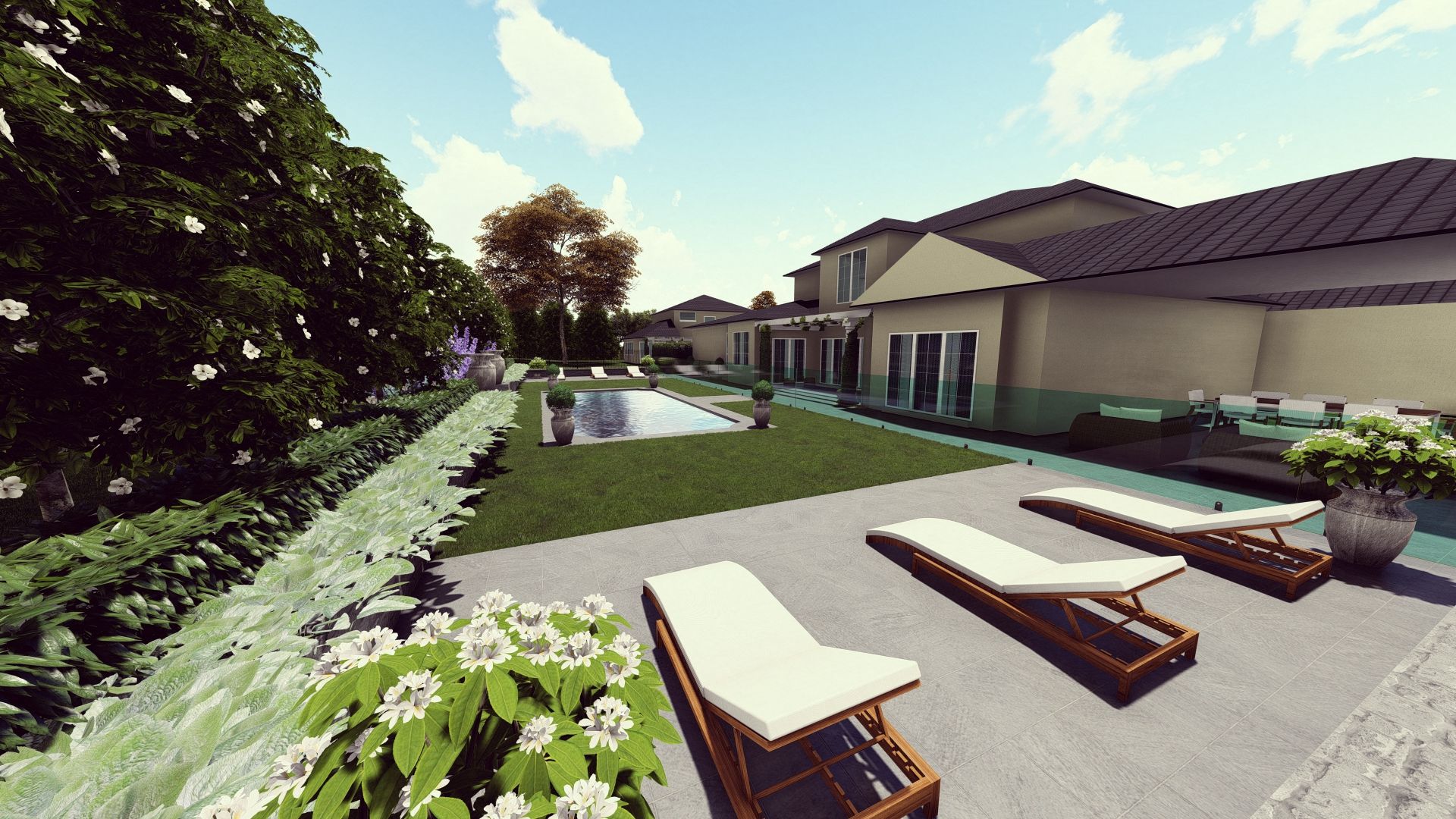
Retaining walls are one of the most important (and most misunderstood) parts of landscape design in Sydney. Done well, they turn sloping blocks into usable terraces, create level lawn areas, support driveways and paths, and manage stormwater runoff. Done poorly, they can fail, crack, lean, trap water, or become a costly compliance issue.
At Dapple Landscape Design, we design retaining walls as part of an integrated landscape plan—balancing structure, drainage, aesthetics, and NSW council approval requirements. If you're weighing up sandstone vs concrete sleepers, comparing retaining wall costs in Sydney, or wondering whether you need approval, this guide will help you make confident decisions before construction begins.
Need a council-ready retaining wall design?
We prepare landscape designs, hardscape plans, and DA-compliant documentation across Sydney and the Blue Mountains. Call 1300 DAPPLE (1300 327 753) for a tailored quote or message below.
Quick Answer: What Makes a Retaining Wall "Good" in Sydney?
A high-performing retaining wall design in Sydney typically gets four things right:
- Correct wall type for the site (height, slope, soil, access, aesthetics, budget)
- Drainage design that relieves water pressure behind the wall
- Compliant documentation when approvals or engineering are required
- Integration with the whole landscape (levels, steps, paths, planting, lighting, water flow)
Retaining Wall Ideas for Sydney Gardens
Retaining walls aren't just “structure”; they’re design tools. Here are practical, Sydney-friendly retaining wall ideas that improve usability and add value:
| Idea | Best For | Design Notes |
| Terraced lawn + planting levels | Sloping backyards | Often better to use multiple stepped walls rather than one tall wall. |
| Raised garden beds/planter walls | Courtyards + small gardens | Great way to add structure, improve soil depth, and reduce bending/maintenance. |
| Seating wall + entertaining edge | Outdoor dining areas | Combine retaining + seating to save space; cap details matter for comfort and longevity. |
| Front yard level correction | Street appeal/access | Use levels to frame paths, steps, and planting. Substantial impact for relatively small builds. |
| Pool landscape transitions | Pool surrounds | Retaining walls should work with drainage and finishes to keep water away from the pool zone. |
| Boundary retaining + privacy screening | Tight blocks | Boundary conditions can trigger approvals, plan early and document appropriately. |
Expert Landscape Designer Tip: In many Sydney suburbs, the "best looking" wall isn't always the best value. The smartest outcome comes from selecting the wall system that suits your site constraints and approval pathway, then designing the landscape levels around it.
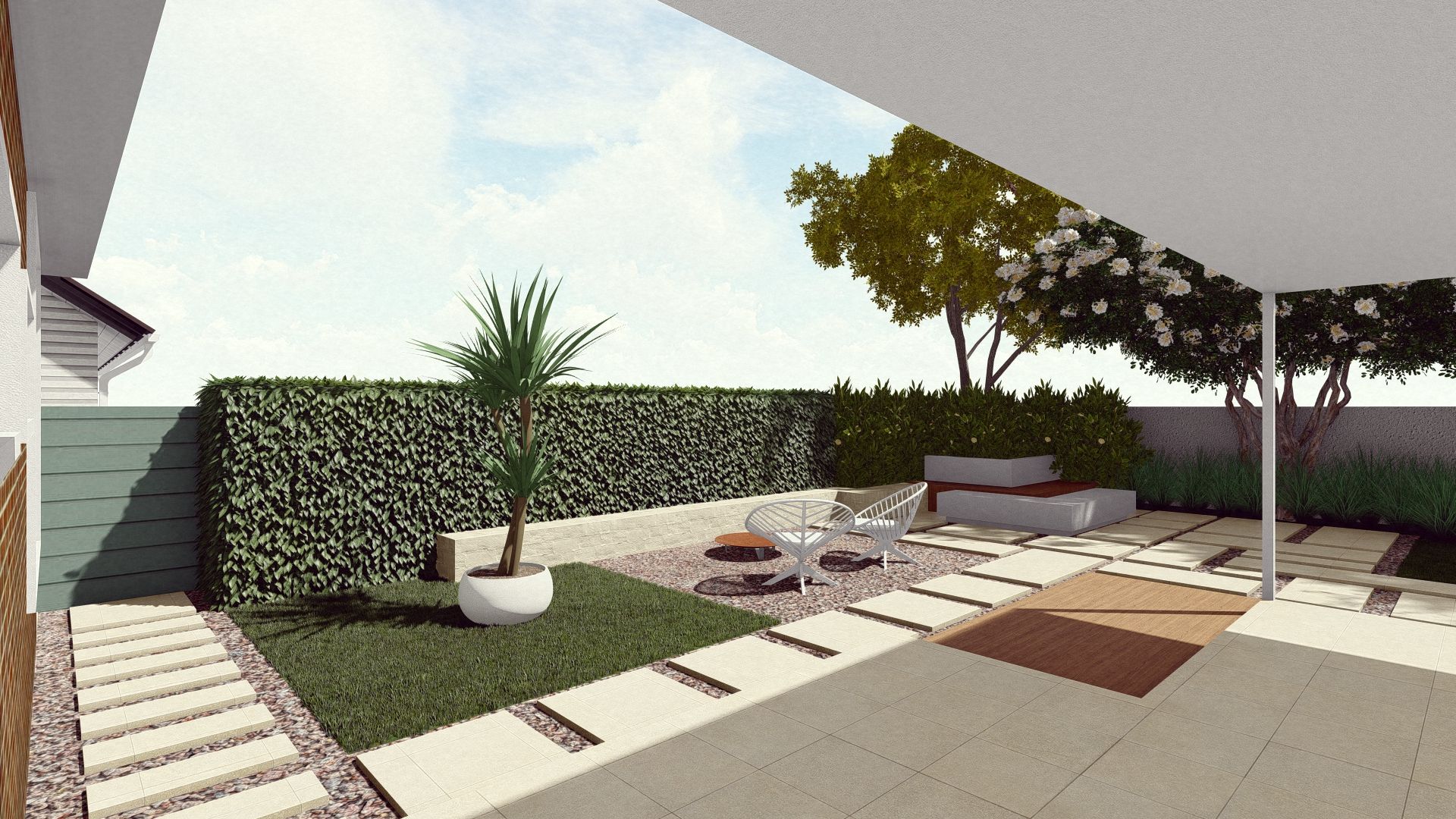
Sandstone vs Concrete Sleepers vs Block Walls
Choosing the right retaining wall material is part aesthetics, part engineering, and part budget. Here's a practical comparison for Sydney sites.
| Wall Type | Best For | Pros | Watch Outs |
|---|---|---|---|
| Sandstone | Premium gardens, heritage/bushland feel | Natural look, timeless finish, elevates curb appeal | Higher cost; detailing + drainage must be right to prevent movement and staining |
| Concrete sleepers | Modern landscapes, cost control, tight access | Consistent, fast to build, low-maintenance | Can look harsh without smart planting; engineering + footings matter for taller walls |
| Segmental concrete blocks | Curves, stepped walls, modular builds | Flexible forms, good mid-range option | Requires correct base + drainage; taller walls may need geogrid/engineering |
| Gabion walls | Contemporary/industrial looks, drainage-friendly sites | Naturally drains, strong visual texture | Takes space; stone selection matters; not ideal for every residential style |
| Treated timber | Shorter walls, temporary/low-budget solutions | Lower upfront cost | Shorter lifespan; more movement/maintenance; approvals may still apply |
Expert Landscape Designer note: In Sydney, the same material can perform very differently depending on slope, soil type (especially clay), drainage, and access for excavation. Material selection should follow a quick site assessment, not the other way around.
Retaining Wall Cost Sydney: What Influences Price
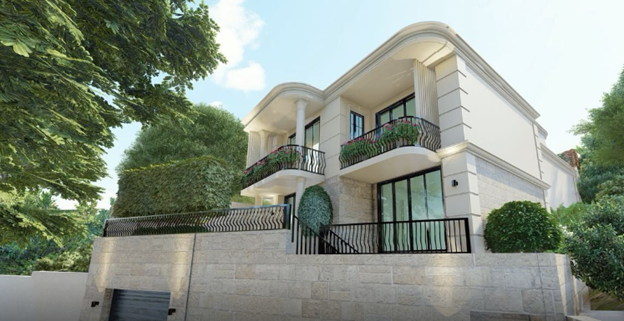
"How much does a retaining wall cost?" is a fair question, but the answer depends on design and site conditions as much as materials. The most accurate way to estimate cost is to understand the major cost drivers:
- Wall height and length (taller walls increase structural requirements and excavation)
- Access (tight sites often require smaller machinery and more labour)
- Excavation + spoil removal (Sydney sites can have significant disposal costs)
- Drainage system (ag-pipe, aggregate, weep holes, geofabric, surface diversion)
- Engineering (commonly required for taller/load-bearing walls)
- Approvals + documentation (DA/CDC requirements, drawings, specifications)
- Integration works (stairs, paths, handrails, fences, planting, lighting)
| Wall Category | Typical Complexity | Common Add-Ons |
|---|---|---|
| Low walls (often under ~600mm) | Simpler design and build | Drainage behind the wall, tidy finishes, and planting integration |
| Medium walls (~600mm–1.2m) | More structural + drainage planning | Engineering, stepped wall design, deeper footings, better water management |
| Tall/load-bearing walls (1.2m+ or supporting driveway/structures) | Highest compliance + design requirements | Engineering certification, approvals, geogrid (where relevant), robust drainage, and construction details |
Want a realistic cost range for your site?
The fastest way is to start with a clear wall layout, heights/levels, and drainage approach. We can prepare a concept and documentation pack that helps you get accurate builder quotes and avoid redesign costs later.
Retaining Wall Approvals in NSW: Exempt vs DA/CDC
Retaining wall approval requirements in NSW vary depending on your wall height, site conditions, proximity to boundaries, and what the wall supports.
While some smaller retaining walls may be exempt from development, many walls trigger documentation requirements, especially when they're near boundaries, exceed certain heights, or support driveway loads.
Important: Height is not the only factor. A "low" wall can still require approval if it impacts drainage, sits close to a boundary, supports a surcharge load, or forms part of a broader development application.
When approvals are more likely
- Walls that are taller or form a significant cut/fill
- Walls near a boundary or affecting neighbouring properties
- Walls supporting driveways, parking areas, structures, or fences (surcharge loads)
- Sites with drainage constraints or evidence of water flow issues
- Properties in sensitive planning contexts (varies by council and zoning)
If your project involves council submissions, we recommend aligning your retaining wall design with a broader approval strategy. This is where a well-prepared DA landscape plan and hardscape documentation can save time, cost, and redesign headaches.
When engineering is commonly required
- Taller retaining walls
- Walls supporting loads (e.g., driveway, building, heavy paved areas)
- Walls in poor soil conditions or high-water areas
- Walls with complex geometry, curves, or tight boundary constraints
On sloping Sydney blocks, retaining walls should not be designed in isolation. Wall height, drainage, access, stairs, planting depth, soil stability and terrace usability all need to be considered together before construction begins. For a broader planning guide, read our article on Landscape Design for Sloping Blocks in Sydney: Terraces, Drainage, Access and Planting.
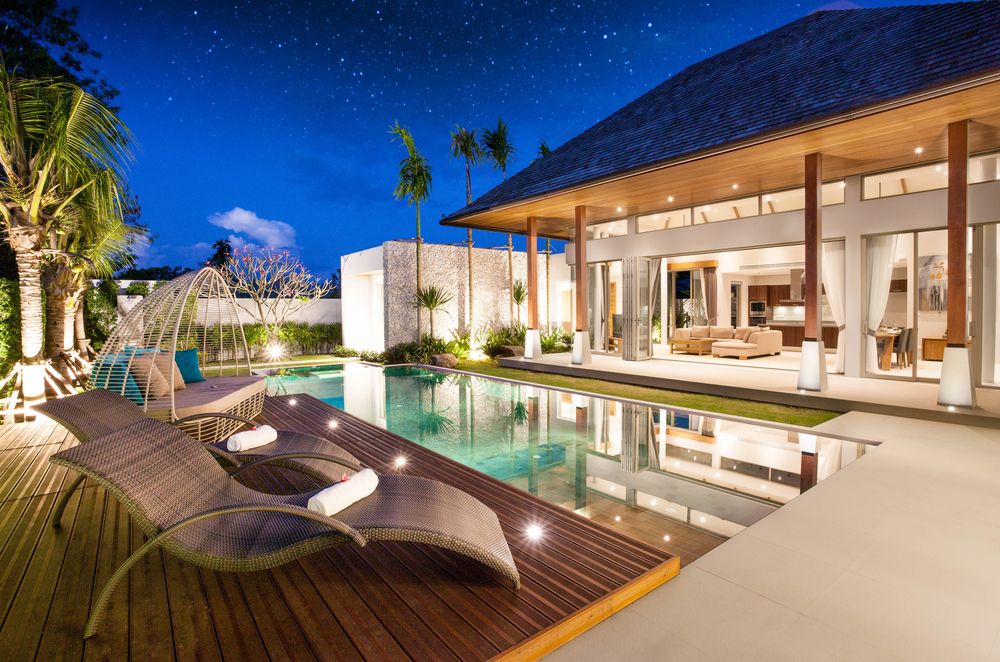
Retaining Wall Drainage & Footings: Why Walls Fail
Most retaining wall failures come back to two fundamentals: water pressure behind the wall and inadequate foundations. Sydney’s variable soil conditions (including heavy clay in many areas) can make drainage design even more important.
Drainage basics (what should be considered)
- Free-draining aggregate zone behind the wall
- Geotextile (geofabric) to reduce soil migration into drainage zones
- Ag-pipe (subsoil drainage) connected to a lawful point of discharge (site-specific)
- Weep holes where appropriate (wall type dependent)
- Surface water control so that runoff isn't directed behind the wall
| Common Symptom | Likely Cause | Design Fix |
|---|---|---|
| Wall leaning/bulging | Hydrostatic pressure + poor drainage | Improve drainage zone, ag-pipe, discharge pathway |
| Cracking/separation | Foundation movement, inadequate footings | Correct footing design + compaction; engineer review for taller walls |
| Staining/damp patches | Water trapped behind the wall | Weep holes (if appropriate), drainage detailing, surface water control |
Retaining Walls for Sloping Blocks in Sydney & the Blue Mountains
Sloping sites are common across Sydney and the Blue Mountains—and they’re exactly where retaining wall design has the biggest impact. Our preferred approach is usually to create stepped terraces with integrated stairs and paths, rather than forcing a single tall wall.
Why stepped walls often work better
- Lower structural risk (each wall is shorter)
- Often easier to document and integrate into approvals
- Creates more design opportunities (planting, seating, screening)
- Improves water management across levels
Explore related guidance here: Backyard landscape design for sloped blocks.
Retaining Wall Design & Documentation by Dapple Landscape Design
Retaining walls are rarely a standalone “add-on.” They affect site levels, drainage, stairs, paths, planting, and—often—council submissions. That’s why our retaining wall designs are developed as part of a broader landscape plan, with the documentation needed to support builder pricing and approvals.
What we can include in a retaining wall design pack
- Retaining wall layout, finishes and design intent
- Levels and wall heights aligned to site conditions
- Drainage notes and water-management strategy
- Integration with planting plans and hardscape layout
- Construction details and specifications (where required)
- DA-ready documentation for council submissions (project dependent)
Why homeowners choose Dapple
- Led by qualified designer Julian Saw
- Servicing Sydney & the Blue Mountains since 2013
- Specialists in DA landscape plans and council-ready documentation
- 95% DA approval rate on first submission
Ready to plan your retaining wall properly? Call 1300 DAPPLE (1300 327 753) or visit our Contact Us page to discuss your site and goals.
Retaining Wall Design FAQs
Do retaining walls need council approval in Sydney?
Sometimes. Approval requirements depend on factors including wall height, location (especially near boundaries), what the wall supports, and how it affects drainage. If your retaining wall forms part of a wider landscape or building approval, it should be documented early.
How high can a retaining wall be without approval in NSW?
There isn't one universal rule that applies to every site and council context. Height is a major factor, but boundary conditions, slope, and surcharge loads can also trigger requirements. If you want certainty, we recommend confirming your pathway before construction starts.
Do retaining walls require an engineer?
Many taller or load-bearing walls require engineering certification, particularly when they support driveways, structures, or heavy paved areas. Engineering is also common where soil or drainage conditions create a higher risk.
How much does a retaining wall cost in Sydney?
Costs vary widely depending on the wall type, site access, excavation/spoil removal, drainage, engineering, and approvals/documentation. The most accurate approach is to design first, then price with clear drawings and specifications.
Can Dapple prepare council-ready retaining wall plans?
Yes. We prepare retaining wall designs and documentation as part of our landscape and hardscape planning services, including DA-compliant packages where required.
Related services and resources:
Planning a retaining wall often raises broader questions around drainage, approvals and sloping sites. These guides expand on the most common issues we see on Sydney projects:
• Do I Need a DA Landscape Plan in Sydney?
Understand when retaining walls form part of a development application and what documentation councils expect.
• Residential Landscape Drainage in Sydney
Learn how drainage design affects retaining wall performance and why poor water management is the most common cause of wall failure.
• Designing Bushfire-Resistant Landscapes in NSW
Important reading for projects in the Blue Mountains and bushland-adjacent suburbs.