 If you are planning a landscape design project in Sydney or the Blue Mountains, this article is for you.
It is easy to get caught up in the excitement of choosing plants, selecting outdoor furniture, and designing the perfect layout, but one of the most important steps is often overlooked: obtaining council approval.
Council approvals are a crucial part of launching any project legally and smoothly.
Over the years, many homeowners have discovered that overlooking these approvals can lead to costly delays, fines, or even the removal of completed work.
In regions such as Sydney and the Blue Mountains—where bushfire zones, heritage overlays, and strict environmental protections are common—local councils take landscaping regulations very seriously.
Whether it is a simple garden makeover or a complex outdoor transformation, understanding the difference between a Development Application (DA) and a Complying Development Certificate (CDC) is key.
Each pathway has different requirements, and choosing the correct option can make or break a project timeline.
This article explains the essentials of navigating council approvals, what to expect during the process, and how working with a qualified landscape design expert can make approvals far easier to manage.
DA vs CDC: What's the Difference?
When obtaining council approvals for landscaping projects in Sydney and the Blue Mountains, two main approval pathways exist: a Development Application (DA) and a Complying Development Certificate (CDC).
A Development Application (DA) is a formal request for consent to carry out development that is not automatically approved under planning controls. DAs are assessed by the local council and are required for more complex or impactful landscape design projects, such as those in bushfire-prone areas, heritage-listed properties, or environmentally sensitive zones.
For landscaping, a DA may be needed for retaining walls over 600mm high, the removal of protected trees, large-scale excavation, or the installation of swimming pools in restricted zoning areas.
A Complying Development Certificate (CDC), on the other hand, is a fast-tracked approval process for straightforward, low-impact work that meets NSW planning codes. For landscaping, a CDC may be applicable to certain types of decks, paving, small retaining walls, or pools, provided that all setback, height, and environmental regulations are met.
CDC approval can often be granted within 20 days by either a private certifier or the local council.
Choosing the correct pathway depends on a site's zoning, bushfire risk, heritage status, and the scale of the project. In most cases, consulting with an experienced landscape designer or certifier early in the process will help avoid delays or costly surprises.
Common Council Requirements for Landscaping
Councils in Sydney and the Blue Mountains enforce specific requirements designed to protect the environment, property, and local character. Key areas to consider include:
-
Tree Preservation Orders (TPOs): Permission is usually required before pruning or removing trees that exceed certain sizes or are located within conservation zones. Non-compliance can result in significant fines.
-
Bushfire Attack Level (BAL) Compliance: In bushfire-prone areas, landscaping must meet the BAL requirements, which influence plant choices, garden layout, and materials such as decking and mulch.
-
Stormwater Drainage and Erosion Control: Councils may require drainage plans, particularly for sloping properties or large-scale works. Measures such as swales, retention pits, and permeable paving may be necessary.
-
Heritage Considerations: In heritage-listed or conservation areas, even minor landscaping changes may need approval to ensure the character of the streetscape is preserved.
Identifying these requirements early can help ensure a smooth approval process.
The Role of a Landscape Designer in Approval Success
A professional landscape designer plays a vital role in guiding homeowners through the council approval process.
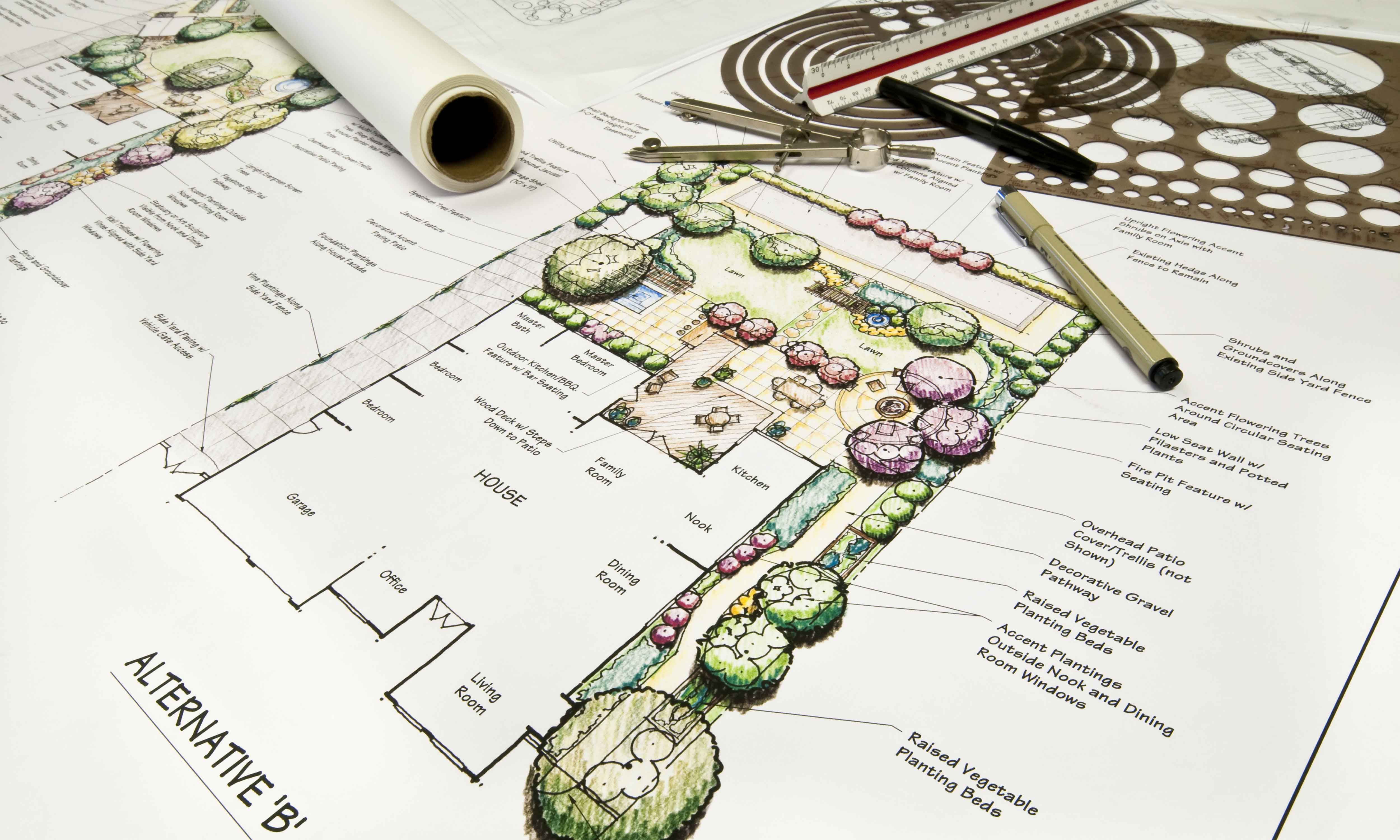
Skilled designers prepare the technical drawings, site levels, drainage details, plant schedules, and construction specifications required by councils and certifiers. These detailed plans demonstrate compliance with all relevant codes and regulations.
Landscape designers also coordinate with other professionals, such as engineers, architects, and private certifiers, to ensure that every aspect of the project meets structural and safety standards.
This collaboration strengthens applications and provides councils with confidence in the design's compliance.
Most importantly, the right landscape designer helps prevent costly mistakes. Many delays occur due to incomplete or inaccurate submissions.
By anticipating council requirements and addressing them from the outset, an experienced designer can save both time and money.
Tips for Homeowners Before Lodging an Application
 To streamline the approval process, homeowners can take several steps in advance:
-
Prepare a Clear Brief: Define goals such as a pool, new retaining walls, or an entertaining area. A clear brief helps the design team produce compliant plans with minimal revisions.
-
Collect Site Information: Gather contour surveys, soil reports, and details of existing vegetation. Councils rely on this data to assess how a project interacts with the land.
-
Allow for Timelines: Straightforward CDCs may be approved in a few weeks, while DAs—especially those involving bushfire or heritage considerations—can take months. Factoring this into the schedule prevents frustration.
Are you Ready?
Council approvals may seem like an obstacle, but they are in place to ensure that landscaping projects are safe, sustainable, and compliant with all relevant laws and regulations. This is especially critical in sensitive areas such as bushfire zones and heritage suburbs.
Working with a professional landscape designer makes the process far easier.
Dapple Landscape Design specialises in helping Sydney and Blue Mountains homeowners prepare precise technical drawings, anticipate council requirements, and coordinate with engineers and certifiers. Their expertise ensures applications are accurate, efficient, and compliant.
For expert assistance with council approvals or to begin planning a custom landscape design, contact us today on 1300 DAPPLE (1300 327 753). Our in-person and online services make professional support accessible across Sydney, the Blue Mountains, and beyond.